
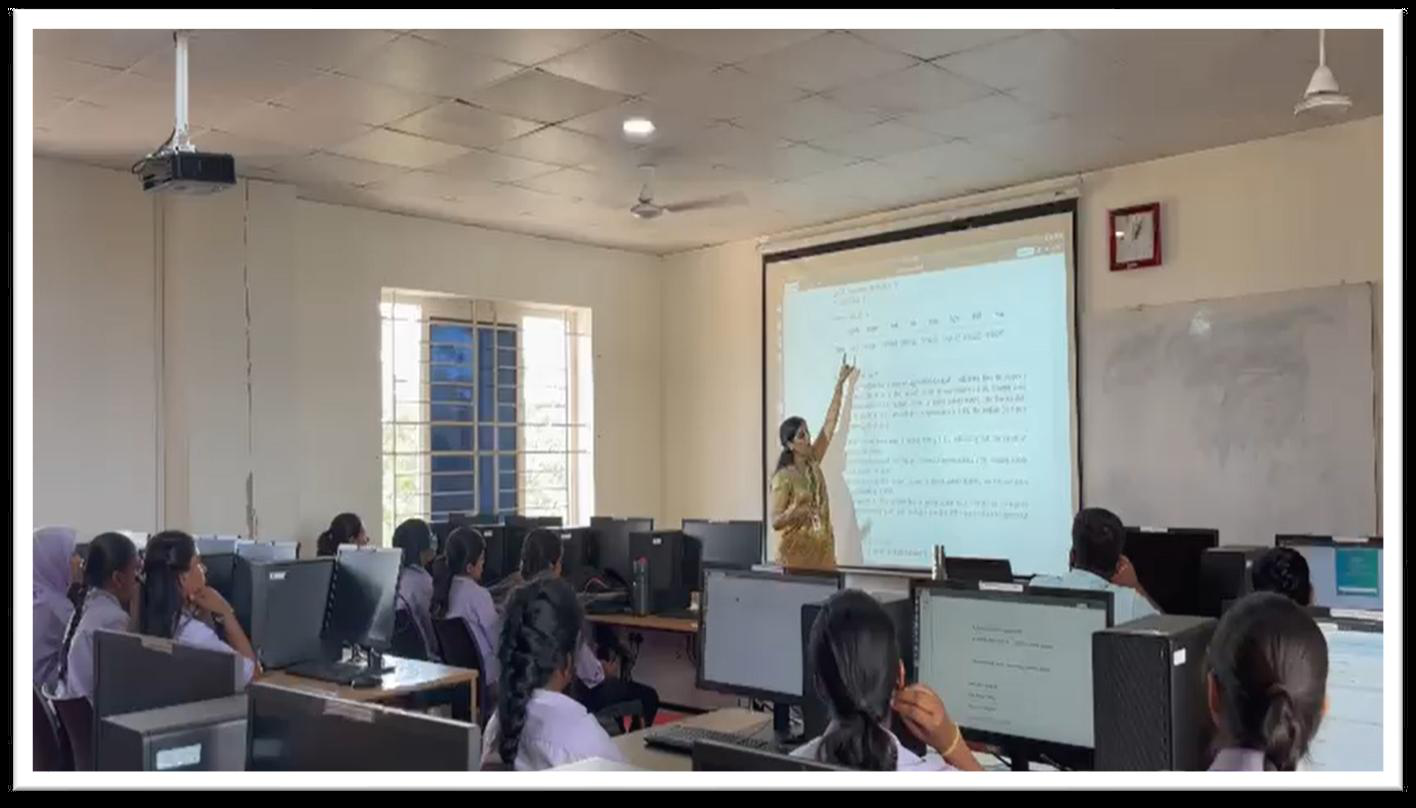
Machine Learning Lab
The Machine Learning Laboratory provides students with practical exposure to developing intelligent systems using data-driven techniques. The lab enables students to implement and evaluate machine learning algorithms for solving real-world problems such as classification, prediction, clustering, and pattern recognition.
Students gain hands-on experience using programming languages and tools such as Python, Jupyter Notebook, Scikit-learn, TensorFlow, Pandas, NumPy, and Matplotlib.
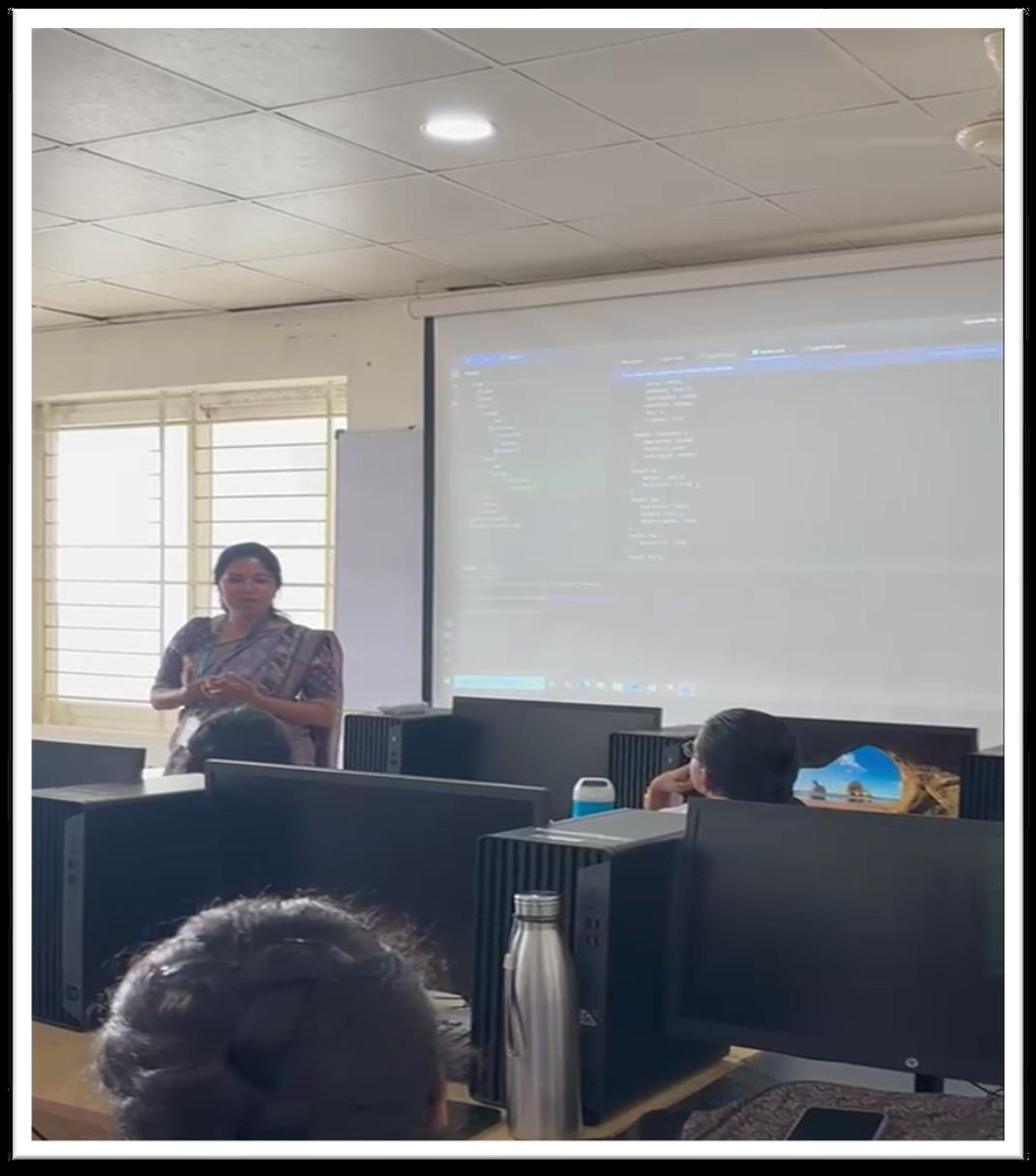
DevOps Lab
The DevOps Laboratory provides students with hands-on experience in modern software development, deployment, and operations practices. The lab helps students understand the DevOps lifecycle by integrating software development, testing, continuous integration, continuous delivery (CI/CD), deployment, and monitoring.
Students work with industry-standard tools and technologies such as Git, GitHub, Docker, Jenkins, Kubernetes, Ansible, Maven, and cloud platforms to automate software development and deployment processes.
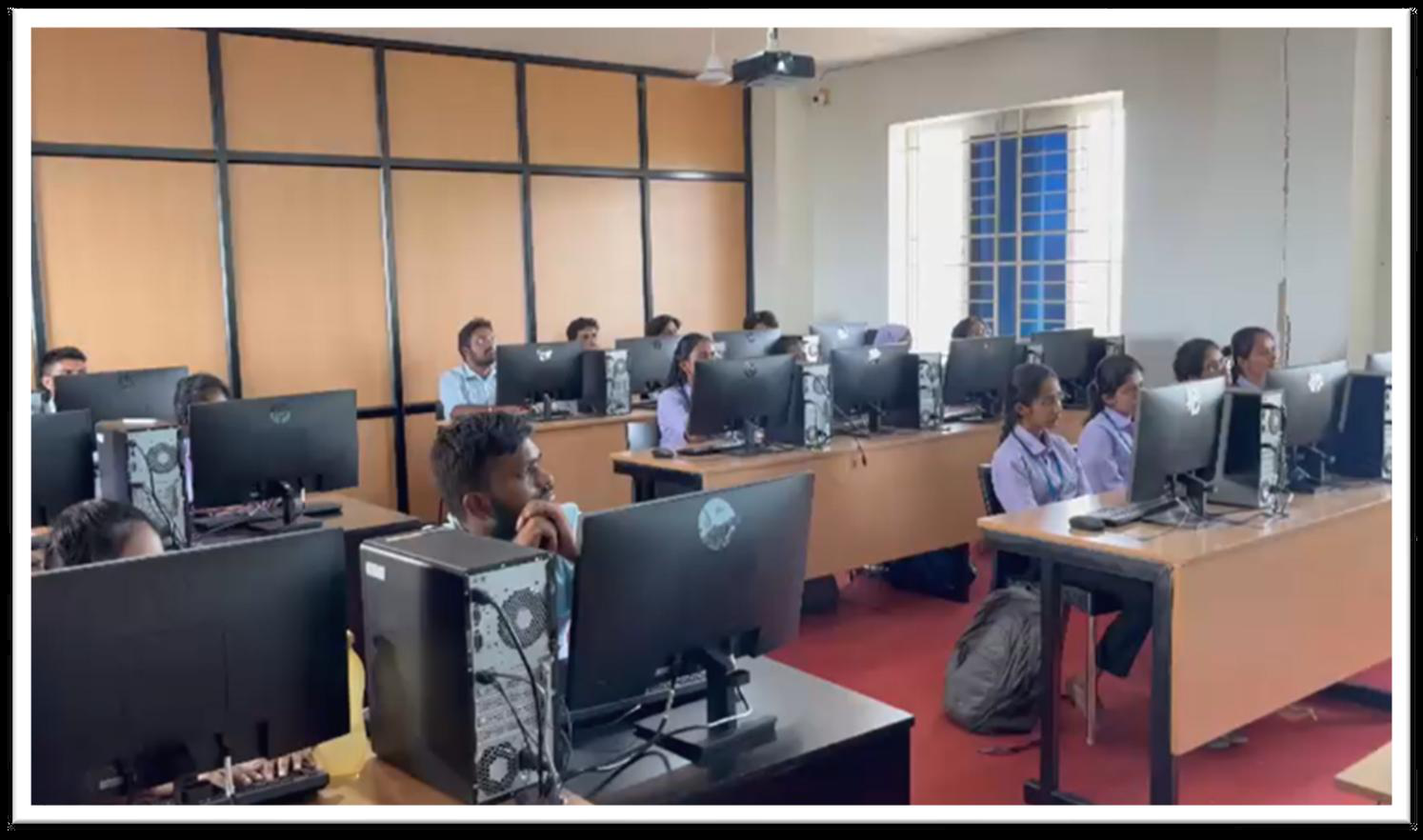
Ethical Hacking Laboratory
The Ethical Hacking Laboratory provides students with practical knowledge of cybersecurity by simulating real-world security scenarios in a controlled and authorized environment. The lab helps students understand how to identify, assess, and mitigate security vulnerabilities in computer systems and networks.
Students gain hands-on experience with concepts such as network security, vulnerability assessment, penetration testing, web application security, password security, wireless security, and system hardening.
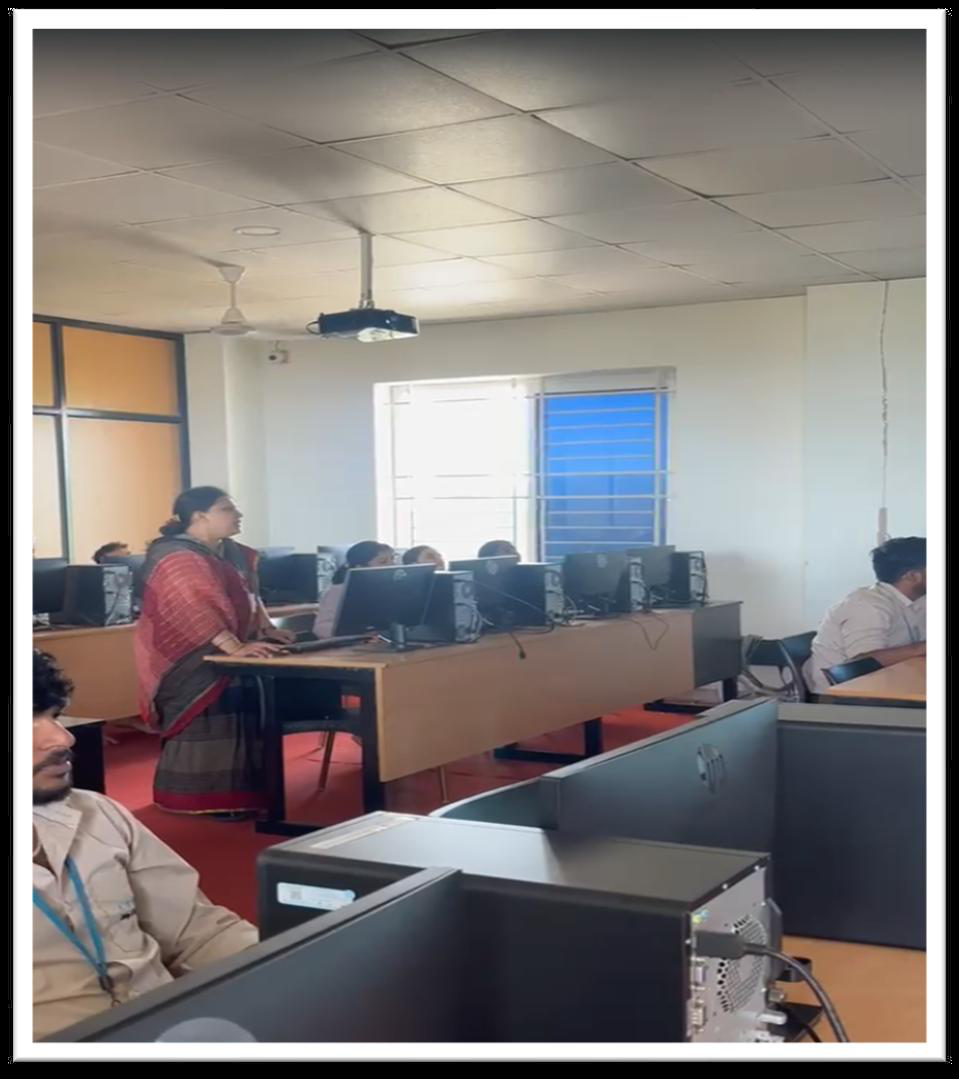
Elements of Cyber Security Lab
The Elements of Cyber Security Laboratory designed to provide students with a comprehensive learning environment for developing practical skills in information and network security. The laboratory is equipped with modern computing systems, high-speed network infrastructure, virtualization platforms, and secure internet connectivity to facilitate real-time cybersecurity experiments. Students gain hands-on experience using industry-standard tools for ethical hacking, vulnerability assessment and penetration testing (VAPT), digital forensics, malware analysis, cryptography, web application security, and network traffic monitoring. The lab also includes multiple operating systems, cloud security platforms, scripting and programming environments, SIEM, IDS/IPS, and endpoint protection solutions, enabling learners to simulate, analyze, and mitigate cyber threats in a controlled environment.
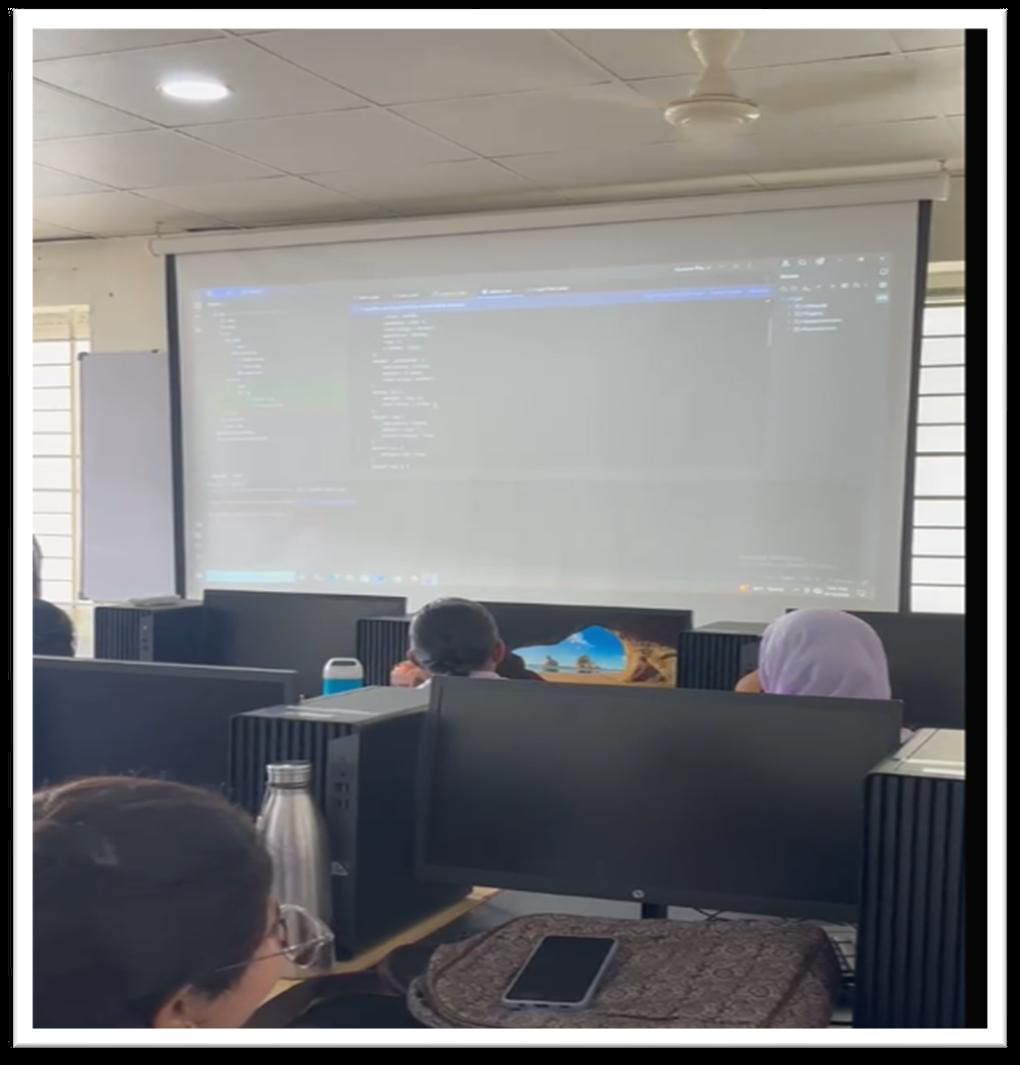
Vulnerability Assessment and Penetration Testing Laboratory
The Vulnerability Assessment and Penetration Testing (VAPT) Laboratory provides students with practical training in identifying, analysing, and mitigating security vulnerabilities in computer systems, networks, and web applications. The laboratory helps students understand security assessment methodologies and ethical penetration testing techniques in a controlled environment.
Students gain hands-on experience in vulnerability scanning, penetration testing, network security analysis, web application security testing, risk assessment, and security reporting using industry-standard tools and frameworks. The lab emphasizes ethical practices, responsible disclosure, and compliance with cybersecurity standards.